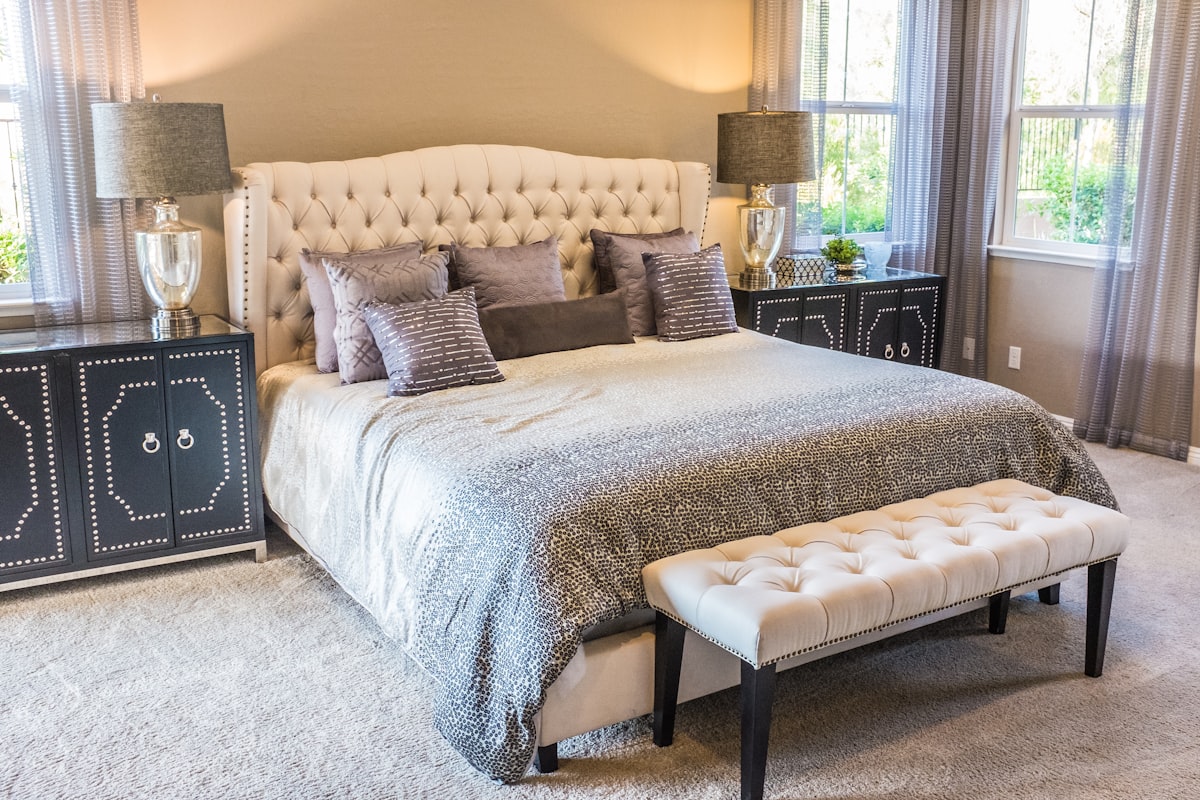
A topper is not a mattress replacement, and any listing that claims otherwise
is selling you a disappointment. What a good topper does is narrow: soften a
too-firm mattress, add a couple of serviceable years to an aging one, or buy
time before a $1,200 decision. This guide compares the three material routes —
latex, memory foam, feather — drawing on reviewer testing from outlets like
Mattress Clarity and Sleepline plus the themes that repeat across owner
feedback.
What separates a keeper
- Pressure relief at the shoulder and hip — the complaint to watch for in
owner reviews is waking up stiff
- Heat retention — foam is an insulator, and memory foam in particular has
a reputation for turning a bed into a slow oven
- Anchor system — a topper that migrates nightly is a topper you will
remove by week two
The short version
| Topper | Material | Thickness | Anchor | Price (queen) |
| --- | --- | --- | --- | --- |
| Sleep On Latex Pure Green | Latex | 3 in | Stays put by weight | $250 |
| ViscoSoft Hybrid Lux Pillow Top | Memory foam | 4 in | Skirt cover | $190 |
| Pacific Coast Luxury Featherbed | Feather down | 5 in | Baffled skirt | $270 |
The three picks
Sleep On Latex Pure Green — best overall
Dunlop latex sleeps cooler than memory foam — air moves freely through the
pinhole structure — and it is the most consistent theme in both reviewer
testing and owner feedback for this topper. It springs back instantly, so you
never feel stuck. At 3 inches it changes a firm mattress to medium-firm — it
will not rescue a brick. There is no cover and no strap hardware, yet owners
consistently report it stays put once placed: the weight and the latex grip do
the anchoring, which is more than can be said for several toppers that ship
with both. Anchoring is not the same as moving it, though. Repositioning is
the most common complaint in owner reviews — a queen runs well north of 20
pounds — so expect a two-hand job on rotate day. In return, reviewers tracking
long-term wear report latex holding its firmness for a decade or more, which
softens the price considerably.
ViscoSoft Hybrid Lux Pillow Top
Pressure relief is the reason to buy: Mattress Clarity scores the high-density
foam 4.5/5, and easing hip and shoulder pain is the refrain in verified buyer
reviews. Two honest warnings. Memory foam holds more heat than latex or
feather — the gel infusion and breathable cover help, but it is the material
trade at this price. And the off-gassing is real: Mattress Clarity noted a
strong factory smell that faded within 48 hours, and some owners report it
lingering several days longer, so air it out in another room. On the plus
side, the anchor system earns its keep — adjustable corner straps and a
textured underside keep it from migrating on the mattress.
Pacific Coast Luxury Featherbed — best for cool sleepers
A genuine featherbed, not polyester stuffing, and the plush hotel-bed feel is
what owners consistently praise — many describe it as reviving an aging
mattress. It is the least supportive option here: Sleepline's review puts it
plainly — plushness, but no actual support — so think plush, not
pressure-relieving. The baffled chambers keep fill from pooling at the edges,
the usual way cheap featherbeds die in year one, though Sleepline's reviewer
still found occasional bunching under body weight, so expect to pat it back
into shape now and then. The cool-sleeper framing is about insulation: true
down holds warmth rather than trapping it against foam, which suits people who
run cold — hot sleepers should pick the latex instead.
Match the fix to the mattress
Match the topper to the complaint. Too firm, aching shoulders: latex (the
Pure Green). Firmness is fine but you want softness and you run cool:
feathers (the Pacific Coast). Tight budget and you can tolerate some
warmth: the ViscoSoft. And measure your mattress depth first — a topper plus
a deep skirted pad changes which sheets fit.